

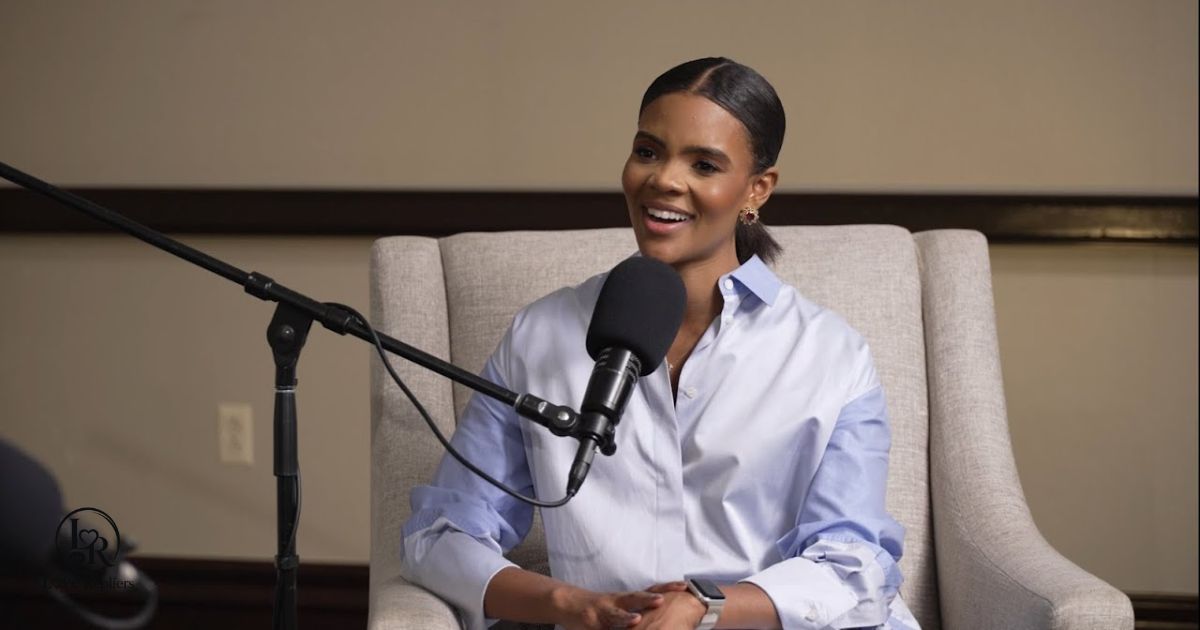
Candace Owens has built a significant financial and media presence through a combination of political commentary, independent media ventures, book sales, speaking engagements, and digital content platforms. Rising to national prominence as a conservative commentator, she leveraged her growing audience to establish herself as a powerful media personality with influence across social media, podcasts, and television appearances. Beyond her public profile, Owens’ business model reflects the modern creator economy, where personal branding, audience ownership, and direct monetization play a central role. Her financial success highlights how media figures can transform political influence into a diversified empire that extends far beyond traditional broadcasting.
Trending Today :Ella Langley Net Worth 2026 | Earnings, Wealth, House & Brand Deals
Candace Owens and the Rise of Her Independent Media Empire
From Corporate Talent to Independent Powerhouse
Many successful professionals begin their journeys within established organizations, where they gain valuable experience, industry knowledge, and leadership skills. These corporate environments often provide the foundation needed to understand markets, build networks, and develop expertise.
Over time, some individuals choose to leverage that experience to pursue independent ventures. By stepping outside traditional structures, they gain greater control over their brand, decision-making, and long-term vision while creating opportunities tailored to their strengths.
The transition from corporate talent to independent powerhouse is rarely instant. It requires strategic planning, adaptability, and a willingness to take risks. Those who succeed often combine professional credibility with entrepreneurial ambition, transforming their expertise into lasting influence and financial success.
The Path to Independence
After building a strong reputation within established media organizations, the transition to independence marked a turning point. By moving beyond traditional corporate structures, greater control over content, strategy, and audience engagement became possible, creating new opportunities for growth and influence.
Independence also enabled the development of a personal brand that could operate across multiple platforms. This shift allowed for direct connections with audiences, diversified revenue streams, and increased freedom to pursue long-term business objectives.
Timeline Highlights:
- Early Career: Developed professional expertise and industry credibility within established organizations.
- Public Recognition: Gained wider visibility through high-profile projects and media appearances.
- Brand Expansion: Leveraged growing influence to build a recognizable personal brand.
- Independent Ventures: Transitioned toward self-directed projects and entrepreneurial opportunities.
- Sustained Growth: Expanded audience reach, revenue sources, and long-term market influence.
Key Insight
The move from corporate success to independent leadership is often driven by the desire for greater ownership and creative control. Those who successfully make this transition typically combine industry expertise, audience trust, and strategic decision-making to create lasting influence beyond traditional career paths.
Business Model Breakdown
The business model centers on turning audience attention into owned relationships. Instead of relying solely on traditional media contracts, revenue is built through direct distribution, subscriptions, advertising, and branded content.
A key advantage is diversification. Multiple income streams—podcasts, memberships, speaking engagements, publishing, and partnerships—reduce dependence on any single platform while strengthening long-term brand value.
Podcast Model:
- Free episodes attract a broad audience and drive discovery.
- Advertising and sponsorships monetize listener reach.
- Video distribution expands visibility across major platforms.
- Podcast content feeds clips, newsletters, and social media promotion.
Club Candace Model:
- Paid membership provides recurring subscription revenue.
- Exclusive content encourages audience loyalty.
- Direct communication reduces reliance on third-party algorithms.
Additional Revenue Channels:
- Speaking engagements and live events.
- Book sales and publishing royalties.
- Brand partnerships, merchandise, and affiliate promotions.
Key Insight
The strongest element of the model is audience ownership. By combining free reach with paid membership and diversified revenue streams, the business converts public attention into predictable, repeatable income while maintaining greater independence from traditional media gatekeepers.
Brand Strategy and Leadership Playbook
The brand strategy is built around creating a strong, personality-driven media identity that operates across multiple platforms. Instead of relying on traditional media structures, it emphasizes direct audience engagement, consistent messaging, and rapid response to cultural and political developments.
Leadership is executed through a highly centralized personal vision where messaging, tone, and direction are tightly controlled. This ensures brand consistency while allowing fast adaptation to trending topics and audience sentiment.
Core Brand Pillars:
- Strong ideological positioning and message consistency
- Direct-to-audience communication via digital platforms
- Personal brand as the primary media asset
- High visibility through cultural and political commentary
Leadership Style:
- Centralized decision-making and message control
- Fast response to current events and media cycles
- Audience-first content strategy guided by engagement
- Personality-driven authority rather than institutional hierarchy
Key Insight
For Candace Owens, the playbook shows how modern influence is built by combining personal branding with platform independence. The result is a self-reinforcing system where visibility, audience loyalty, and message consistency drive long-term media power.
Profit Model Overview
The profit model is built on converting audience attention into multiple monetized channels while maintaining independence from traditional media structures. Income is generated through a mix of digital platforms, subscriptions, content monetization, and personal brand extensions, creating a diversified and scalable financial system.
Revenue Breakdown:
- Podcast advertising and sponsorship deals
- Paid membership subscriptions (exclusive content access)
- YouTube and social media monetization
- Book sales and publishing royalties
- Public speaking engagements and event appearances
- Brand partnerships and collaborations
- Merchandise and direct-to-audience product sales
Key Insight
The model is designed to reduce reliance on any single platform by spreading income across content, subscriptions, and brand-driven ventures. This diversification strengthens financial stability while increasing control over audience relationships and long-term earning potential.
Strategic Network and Infrastructure
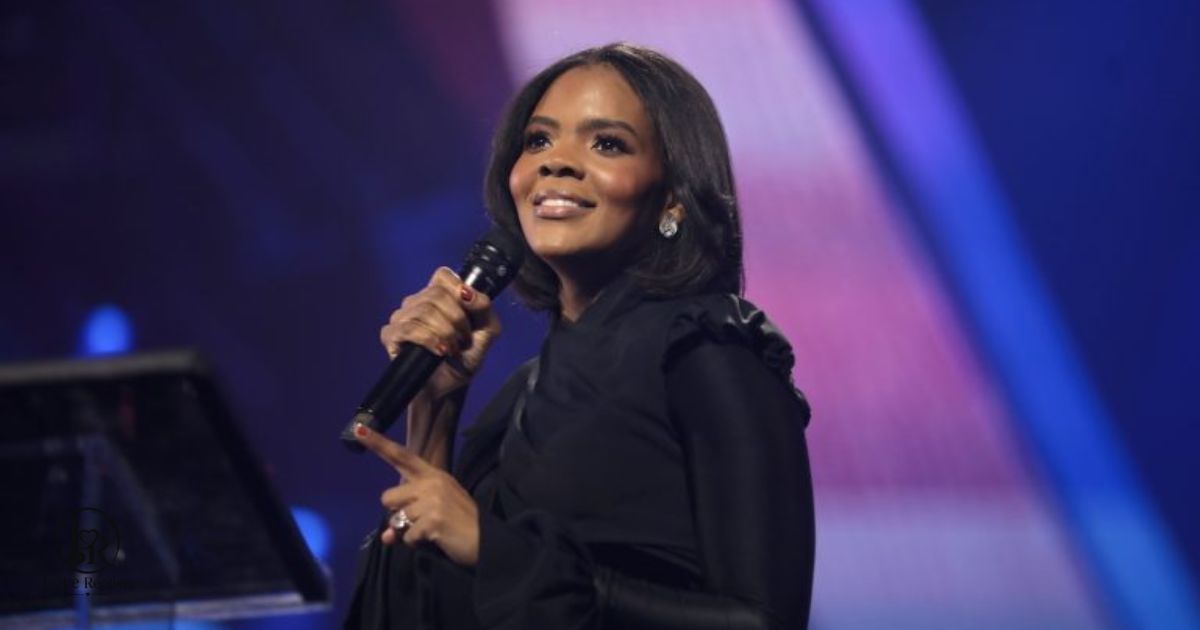
The strategic network is built around influence-driven relationships, media visibility, and aligned collaborators who amplify reach across political, digital, and cultural spaces. This network supports both content distribution and audience growth by leveraging shared platforms and cross-promotion.
Infrastructure refers to the systems that support content creation, monetization, and brand scaling. Together, they form the backbone of a media ecosystem designed for independence and long-term control.
Business Circle:
- Political commentators and media personalities
- Digital platform partners and content distributors
- Publishing and speaking industry contacts
Infrastructure:
- Podcast and video production systems
- Social media distribution channels
- Subscription and membership platforms
- Merchandising and digital monetization tools
Key Insight
The strength of the model lies in combining relational influence with scalable digital infrastructure. This allows a personal brand to function like a media company, where network effects and owned platforms reinforce long-term autonomy and reach.
Section Six: Lessons for Modern Creators
Modern creators can build sustainable influence by combining personal branding, platform diversification, and direct audience relationships. The shift from relying on traditional institutions to owning distribution channels allows greater control, stability, and long-term growth in the digital economy.
Key Lessons:
- Build a strong and consistent personal brand identity
- Diversify across multiple platforms to reduce dependency
- Prioritize direct audience ownership (emails, memberships, communities)
- Turn attention into monetization through layered revenue streams
- Stay adaptable to cultural and algorithmic changes
Key Insight
Success in today’s creator economy depends less on institutional backing and more on strategic independence. Creators who control their audience, diversify income, and maintain consistent visibility are better positioned to build long-term influence and financial resilience.
Frequently Asked Questions
Why did Candace Owens leave The Daily Wire?
Her departure is generally understood as a shift toward greater independence, allowing full control over content direction, branding, and business strategy outside of a structured media organization.
What is Club Candace?
Club Candace is a subscription-based membership platform offering exclusive content, community access, and direct engagement with her audience as part of a creator-driven revenue model.
How does she earn her income?
Income comes from multiple streams including podcast monetization, memberships, advertising, book sales, speaking engagements, and brand partnerships.
What is her net worth?
Her exact net worth is not publicly verified and varies across estimates, as private income sources and business earnings are not fully disclosed.
Who manages her operations?
Her operations are typically handled through a small, centralized team focused on content production, digital distribution, partnerships, and business management.
How many sponsors does she work with and what type of companies are they?
She works with a rotating set of sponsors, often including consumer brands and direct-to-consumer companies that align with her audience demographics, though exact numbers fluctuate.
What are her speaking fees and how does public appearance fit her brand?
Speaking fees are generally reported in the mid-to-high five-figure range per event, and public appearances function as both income and brand amplification tools.
What are her future ventures?
Future ventures are expected to focus on expanding independent media, digital platforms, publishing, and audience-owned content ecosystems.
What makes her business structure so profitable?
The structure is profitable because it combines low-overhead digital distribution with multiple revenue streams and strong audience loyalty, reducing reliance on traditional gatekeepers.
How does her financial model compare to traditional media personalities?
Unlike traditional media figures tied to fixed contracts, her model prioritizes ownership, diversification, and direct monetization, allowing more scalable and flexible income growth.
What can creators learn from her financial approach?
Creators can learn the importance of building owned audiences, diversifying income streams, and treating personal branding as a scalable media business rather than a single-platform presence.
Power Conclusion: The Independent Blueprint for the Modern Era
The modern media landscape has shifted power away from institutions and toward individuals who can build and own their audience. This transformation allows creators to operate as independent ecosystems rather than relying on traditional gatekeepers for visibility or income.
In this environment, success is no longer defined by affiliation with large organizations but by the ability to maintain attention, trust, and engagement across multiple platforms. Control over distribution has become as important as content itself.
The independent blueprint thrives on diversification—combining content creation, subscriptions, partnerships, and personal branding into a unified financial and strategic system. This reduces dependency and increases long-term stability.
Ultimately, figures like Candace Owens illustrate how modern influence is built: through ownership of narrative, direct audience relationships, and scalable digital infrastructure that converts attention into sustained power.

Alone is the founder and lead content creator of UpcomingCelebz.com, a platform dedicated to delivering the latest updates, news, and insights about rising and trending celebrities from around the world. With a strong passion for entertainment journalism, Alone focuses on creating engaging, easy-to-read, and well-researched content that keeps readers updated on the ever-evolving world of fame and pop culture.
Through UpcomingCelebz, Alone aims to highlight both emerging talents and well-known personalities, offering readers authentic stories, biographies, and entertainment news in a simple and accessible format. The goal is to build a trusted space where celebrity enthusiasts can discover accurate and interesting information about their favorite stars.